
Pelvic Reconstructive Surgery
As a fellowship-trained urogynecologist, Dr. Adams offers individualized surgical treatment for pelvic organ prolapse and stress urinary incontinence, with an emphasis on choosing the right procedure for your anatomy, symptoms, lifestyle, and goals.
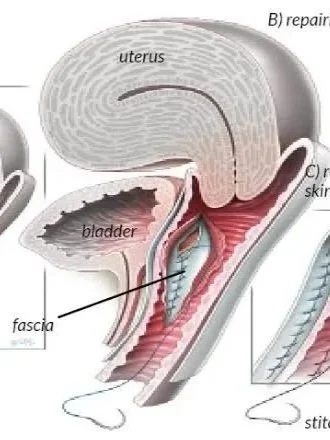
Native Tissue Vaginal Repair
Uses your own tissues and supporting pelvic ligaments to restore vaginal support without mesh.
This type of repair can include all compartments of the vagina: anterior, posterior, or apical. If you have a uterus, your surgery may include a hysterectomy (removal of the uterus) to repair your prolapse.
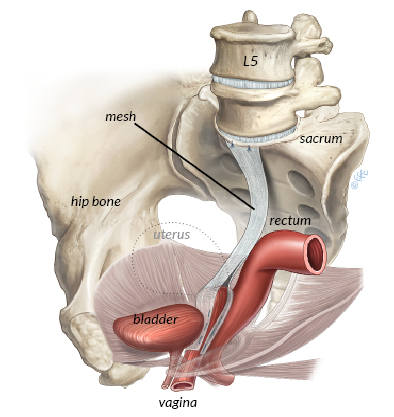
Mesh Augmented Repair
Sacrocolpopexy is a repair which uses surgical mesh to support the top of the vagina. This procedure has been well studied and is a safe and effective option for some women.
Sacrocolpopexy uses surgical mesh, but it is important to distinguish it from transvaginal mesh kits previously used to treat pelvic organ prolapse, which were removed from the U.S. market. In sacrocolpopexy, mesh is placed through the abdomen and attached to the vagina and sacrum rather than inserted through a vaginal incision. These are different procedures with different techniques and risk profiles, and sacrocolpopexy remains an established surgical option for appropriate patients with pelvic organ prolapse.
Obliterative Surgery

Uterine Preserving Surgery
Having pelvic organ prolapse does not necessarily mean you need a hysterectomy. For women who wish to keep their uterus, hysteropexy can restore support by lifting and securing the uterus back into a more normal position rather than removing it.
Hysteropexy can be performed through the vagina or using minimally invasive laparoscopic or robotic techniques, depending on your anatomy and the type of prolapse. In appropriately selected patients, uterine-preserving surgery can provide excellent prolapse outcomes while avoiding hysterectomy.
Choosing whether to preserve or remove the uterus is a personal decision. We will discuss your individual anatomy, medical history, uterine health, goals, and the risks and benefits of each approach so you can choose the surgical option that is right for you.
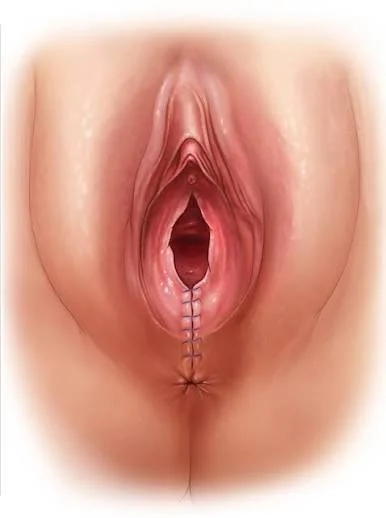
Colpocleisis is a highly effective and durable option for women with pelvic organ prolapse who no longer desire vaginal intercourse. The procedure closes or shortens the vaginal canal to correct prolapse and is typically shorter and less invasive than reconstructive surgery, making it an excellent option for women seeking a simpler recovery or those with increased surgical risk. Because vaginal intercourse is no longer possible afterward, this option is carefully considered based on your health, lifestyle, and personal goals..
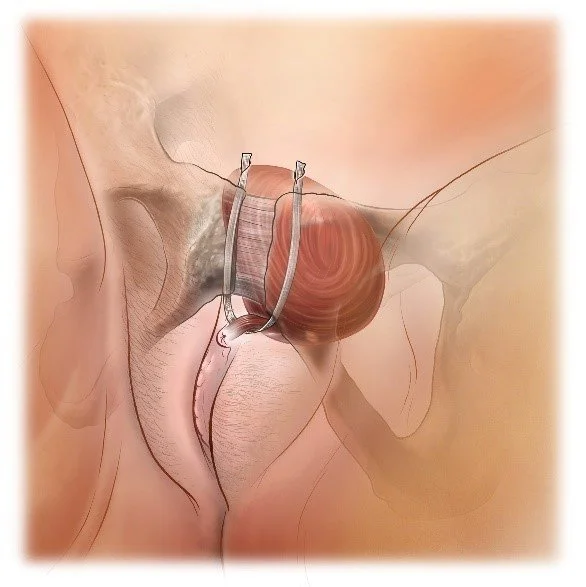
Surgery for Stress Urinary Incontinence
A midurethral sling provides additional support beneath the urethra to help prevent urine leakage during increases in abdominal pressure.
It is a minimally invasive procedure typically performed through a small vaginal incision and is one of the most extensively studied surgical treatments for stress urinary incontinence.
A midurethral sling may be performed at the same time as prolapse surgery to treat stress urinary incontinence or reduce bothersome leakage that becomes apparent after the prolapse is corrected. Whether to add a sling is an individualized decision based on your symptoms, exam findings, and testing when appropriate.
Resources
For more information on Pelvic Floor Disorders and Treatment options, please visit the following websites:
International Urogynecological Association (IUGA)
American Urogynecologic Society (AUGS)

Surgery + Rehabilitation in One Setting
Surgery + Rehabilitation in One Setting
Recovery doesn't end when surgery is over. Pelvic floor rehabilitation can play an important role in rebuilding strength, improving movement and pressure management, and helping you confidently return to activity.
Our unique collaborative care model brings urogynecology and pelvic floor physical therapy together in the same office space, allowing for convenient, coordinated care before and after pelvic reconstructive surgery.